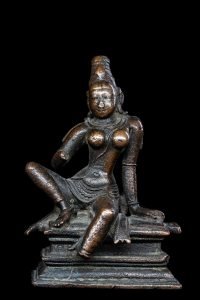
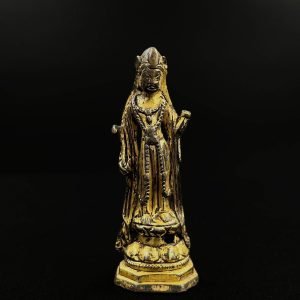
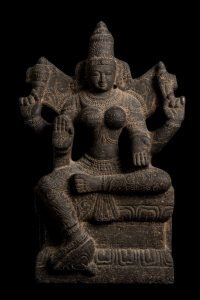
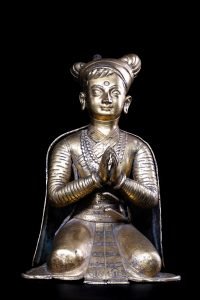
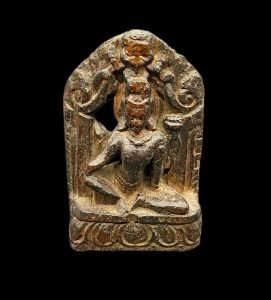
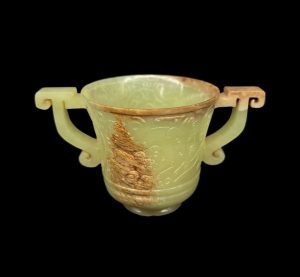
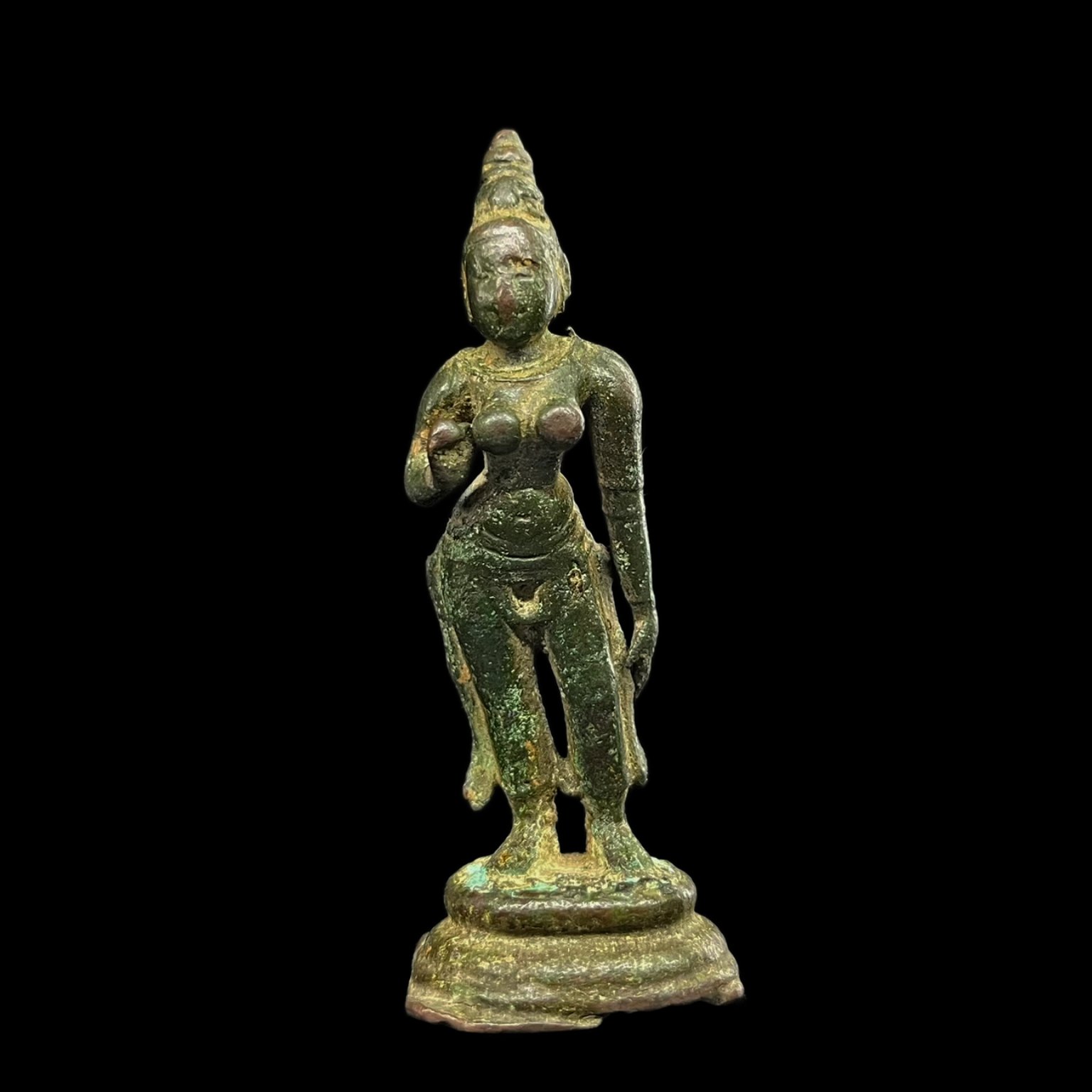
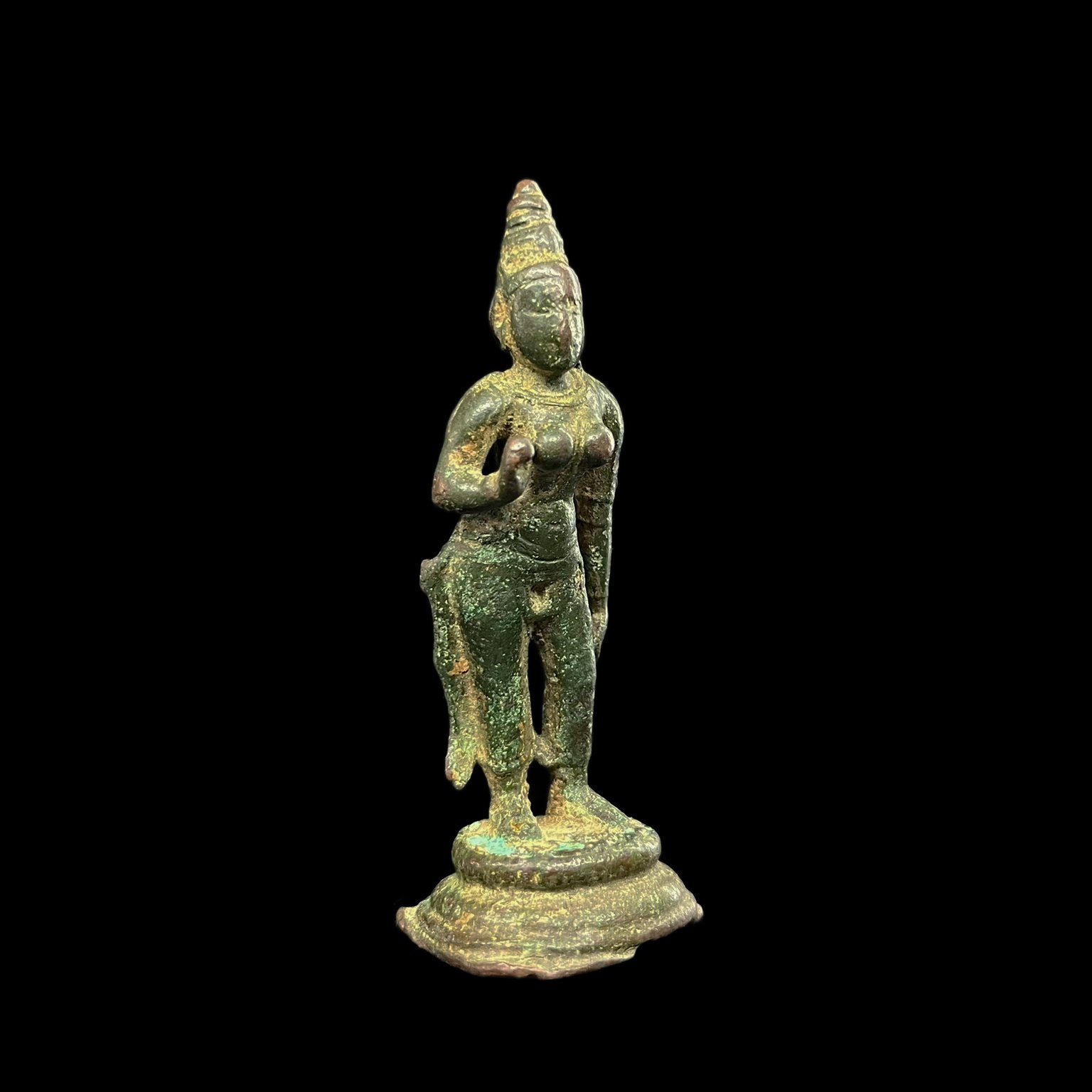
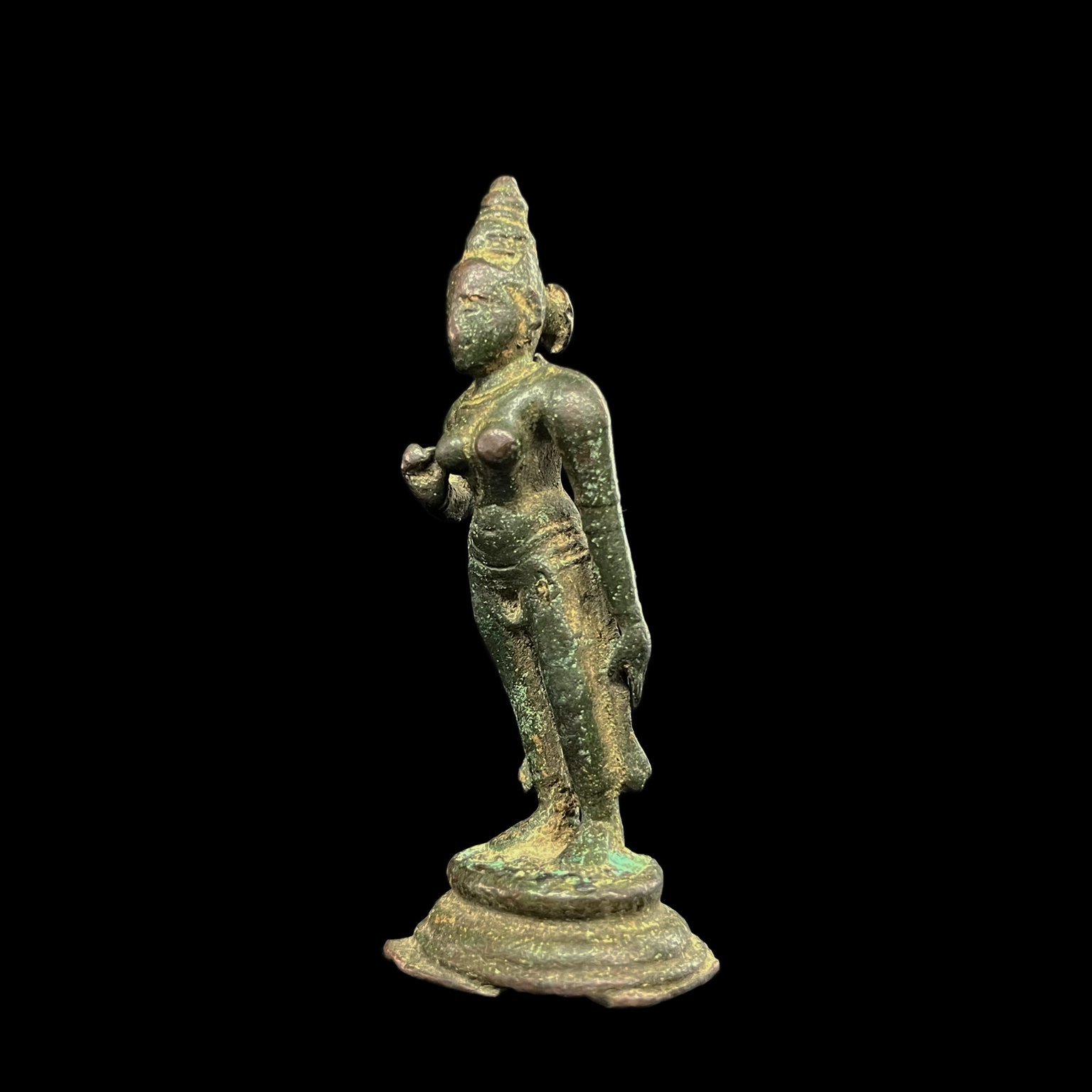
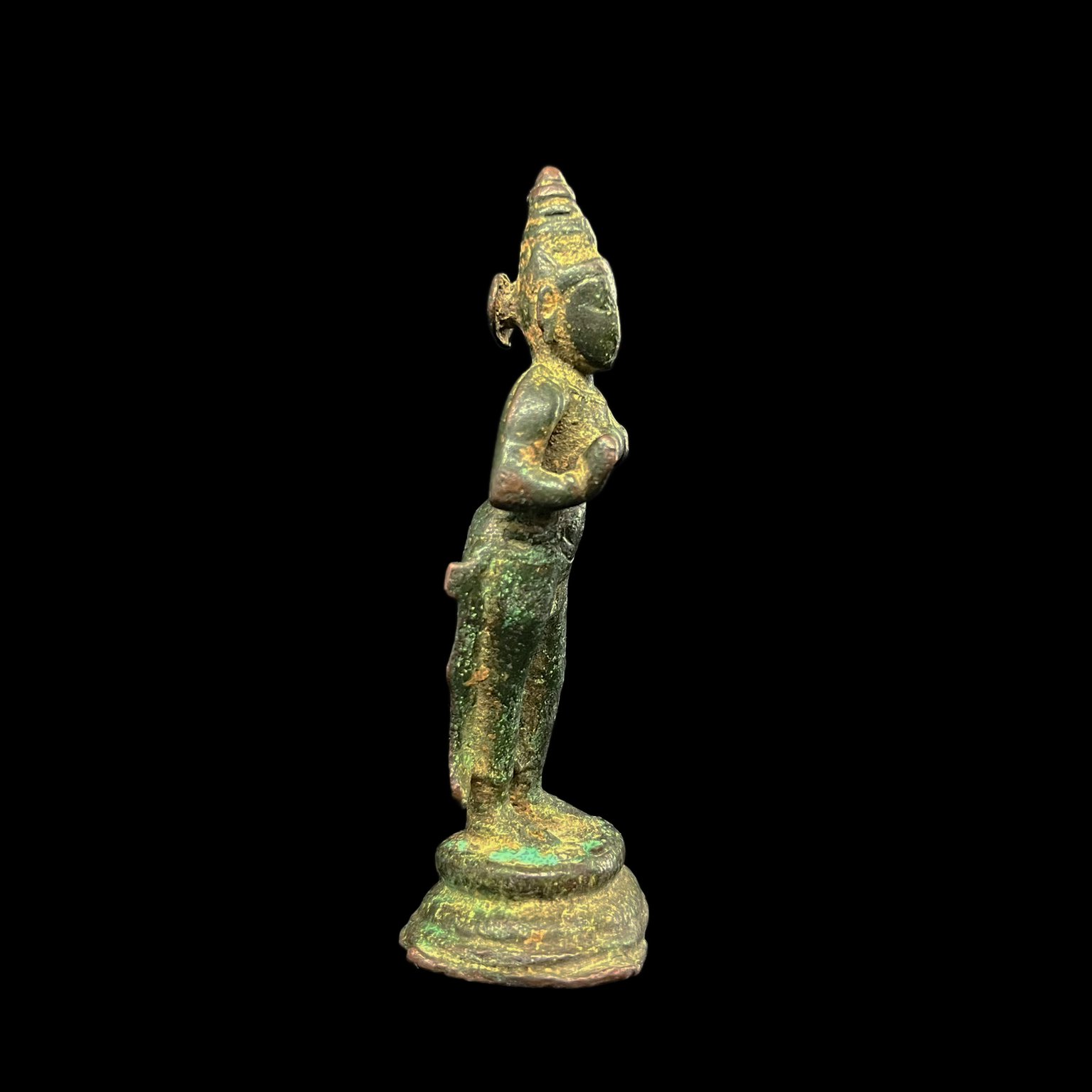
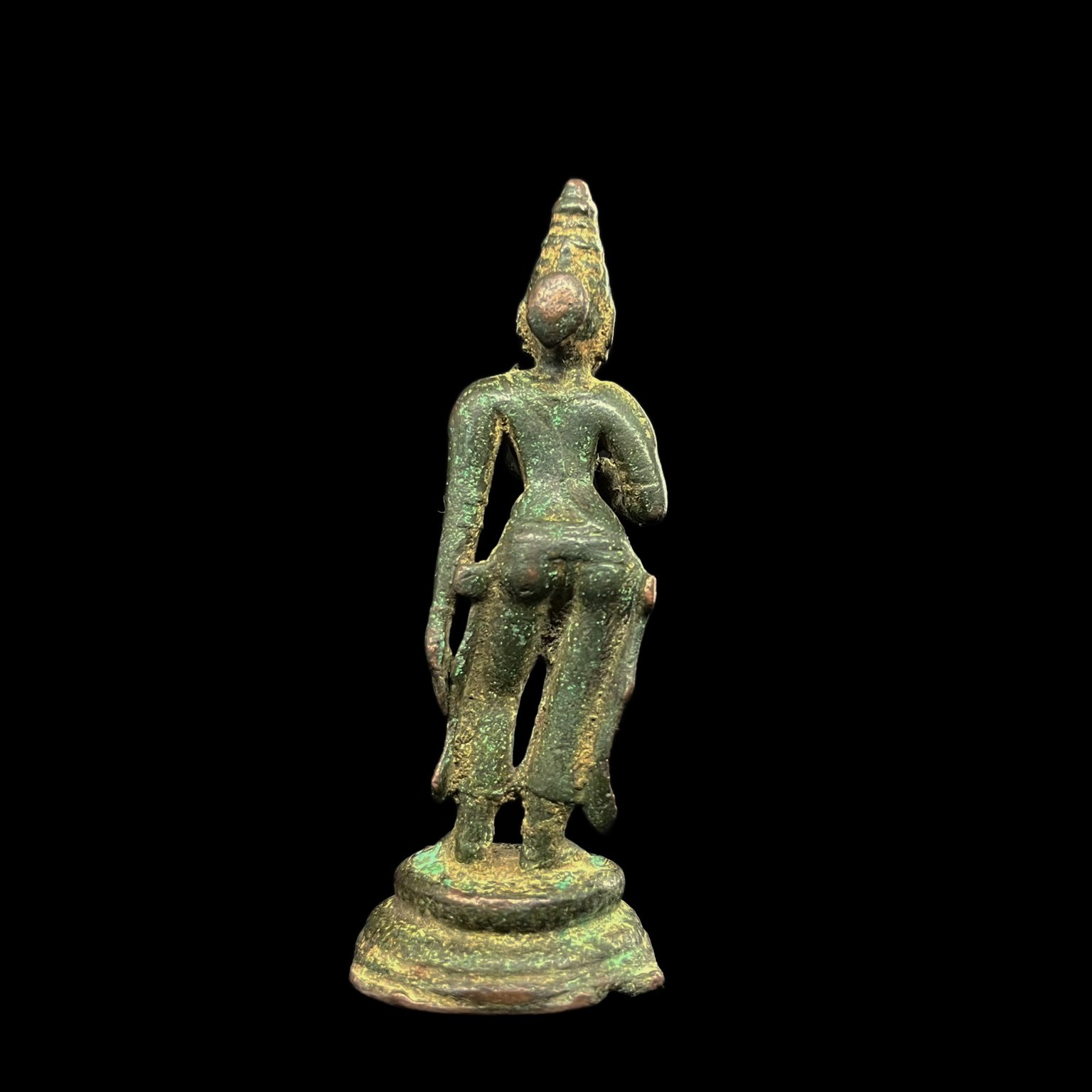
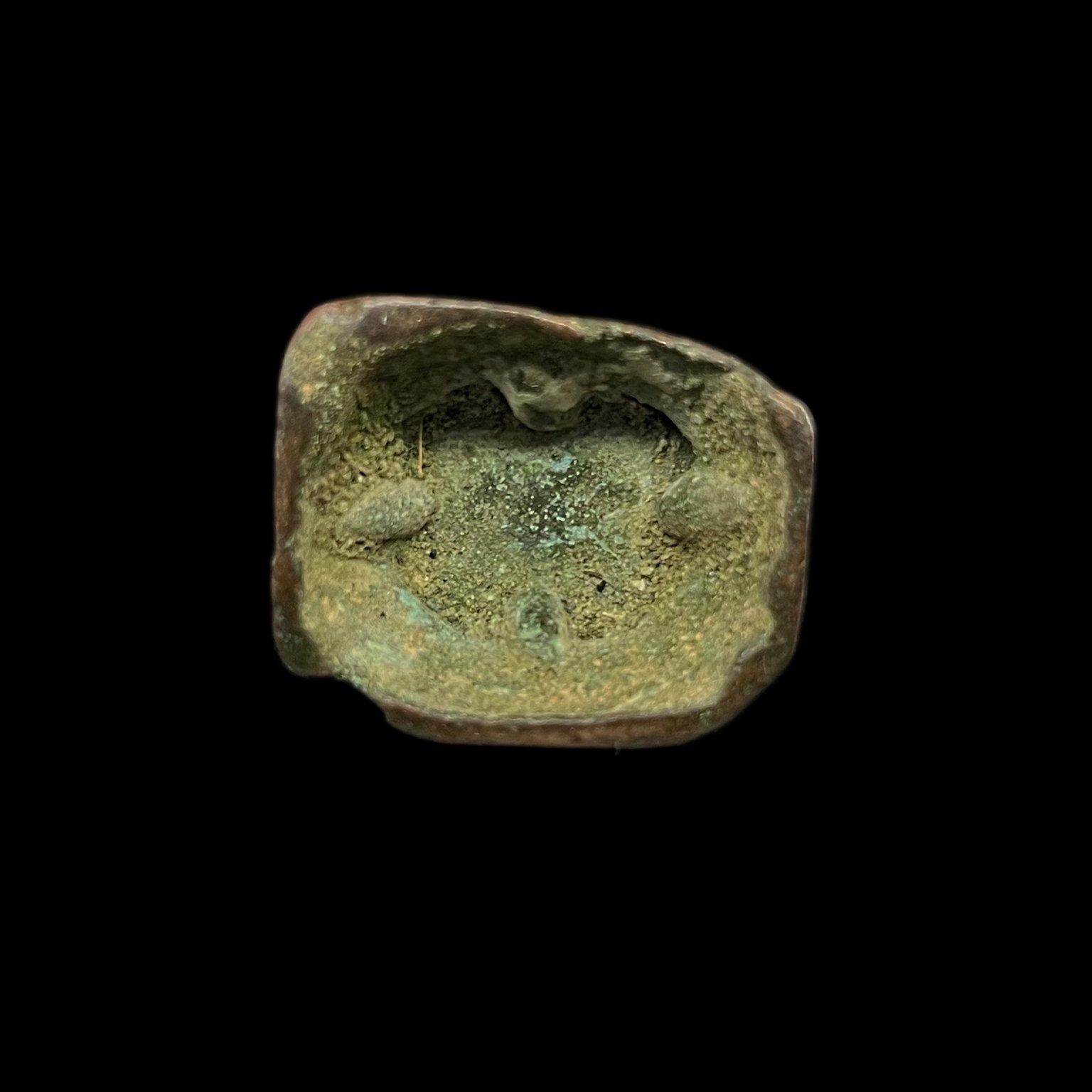
12世纪朱罗王朝的 Bhu Devi(大地、生育和繁荣女神)铜像。
这座8厘米高的雕像体现了典型的朱罗青铜艺术技法,由于信徒的爱抚,布德维的脸部变得柔和了许多,面貌也不那么明显了。尽管如此,雕像优美的外形和流畅的轮廓仍得以保留。女神以 tribhanga(身体呈 S 形)的姿势站立,右臂向上抬起,似乎在拿着什么东西,左臂垂在身侧,摆出罗拉哈达(lola hasta mudra)的姿势。她身上的首饰、皇冠、耳环、项链和手镯都让人注意到她的身体、她的女性气质和她的美貌。在这一时期,许多帕尔瓦蒂雕像也与这座布德维雕像相似,因此经常会将这两个神灵混淆。
布德维(Bhu Devi) Bhu Devi is primarily known as the Goddess of the Earth, representing fertility, agriculture and the nurturing side of nature. She is considered a form of Prithvi, the personification of the earth. She is one of the consorts of Vishnu and is often depicted alongside Vishnu’s other consort, Sri Devi, and their husband.
Parvati Parvati is a major goddess in Hinduism, known primarily as the wife of Shiva and the mother of Ganesha and Kartikeya. Parvati is a form of Shakti, the divine feminine power, and is worshipped in many forms, including Durga and Kali. She represents love, fertility and devotion, but in her warrior goddess form she also has a fierce and protective side.
Their relation Bhu Devi and Parvati are not the same goddesses, but in the broader Hindu understanding they are related. They are both forms of Shakti, the feminine divine energy, and manifestations of the same underlying divine principle, often seen as complementary aspects of divine femininity. Bhu Devi represents the nurturing and sustaining aspect of the Earth, while Parvati embodies the dynamic and active energy of creation, destruction and renewal.
In summary, Bhu Devi and Parvati are separate deities with different roles and attributes, but in Hindu mythology they are linked as manifestations of divine femininity.