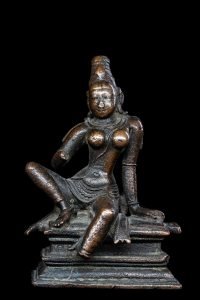
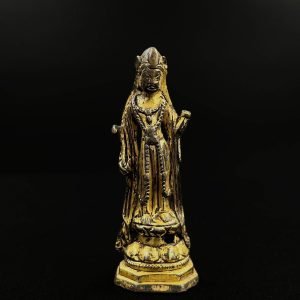
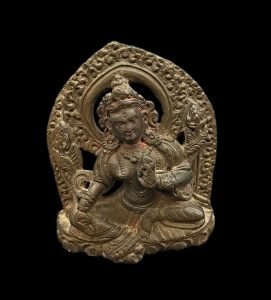
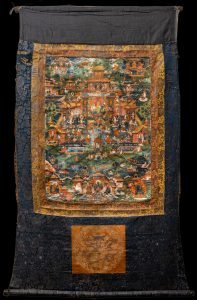
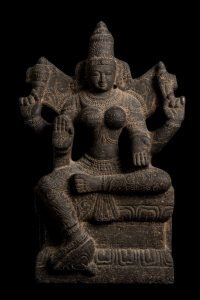
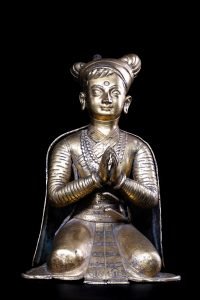
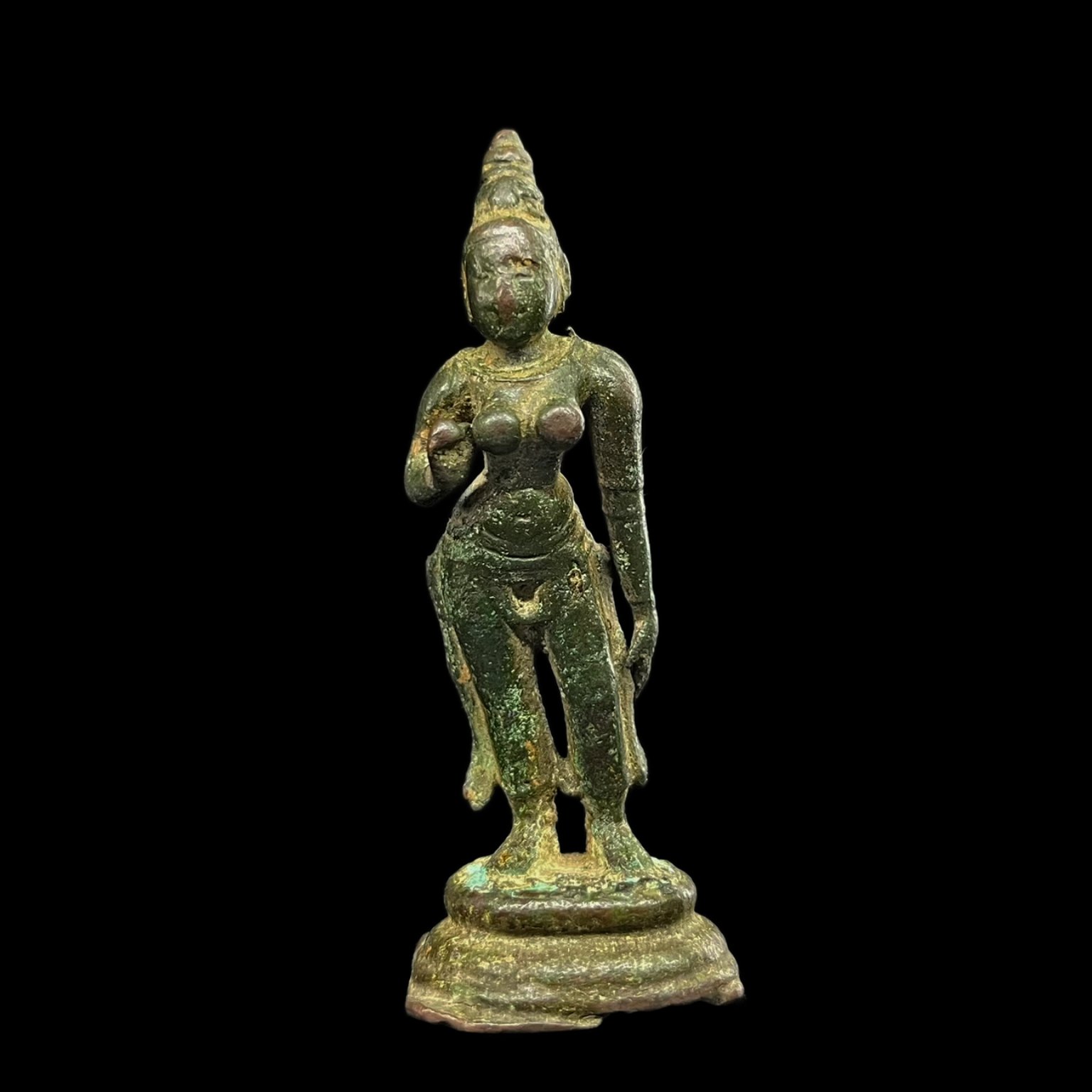
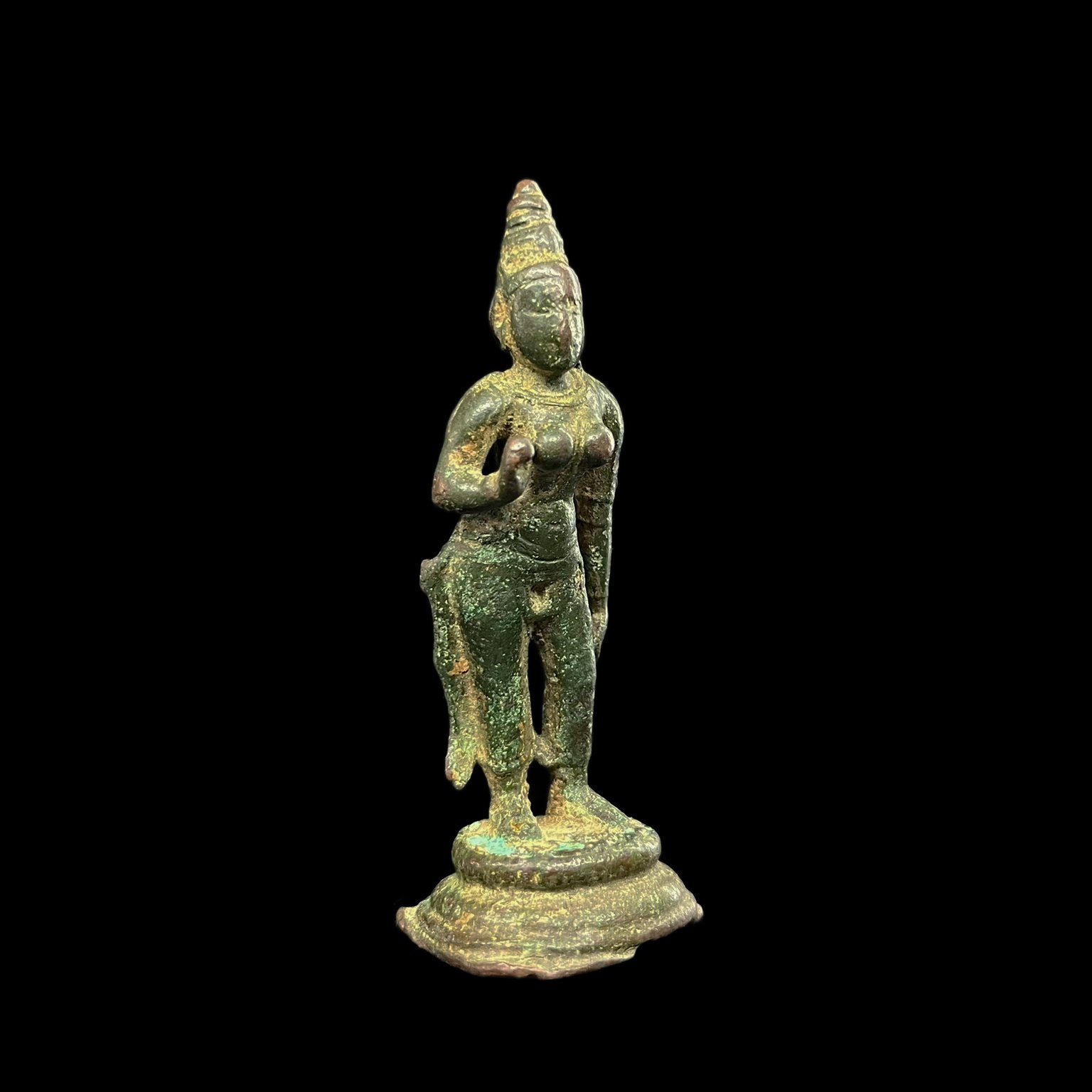
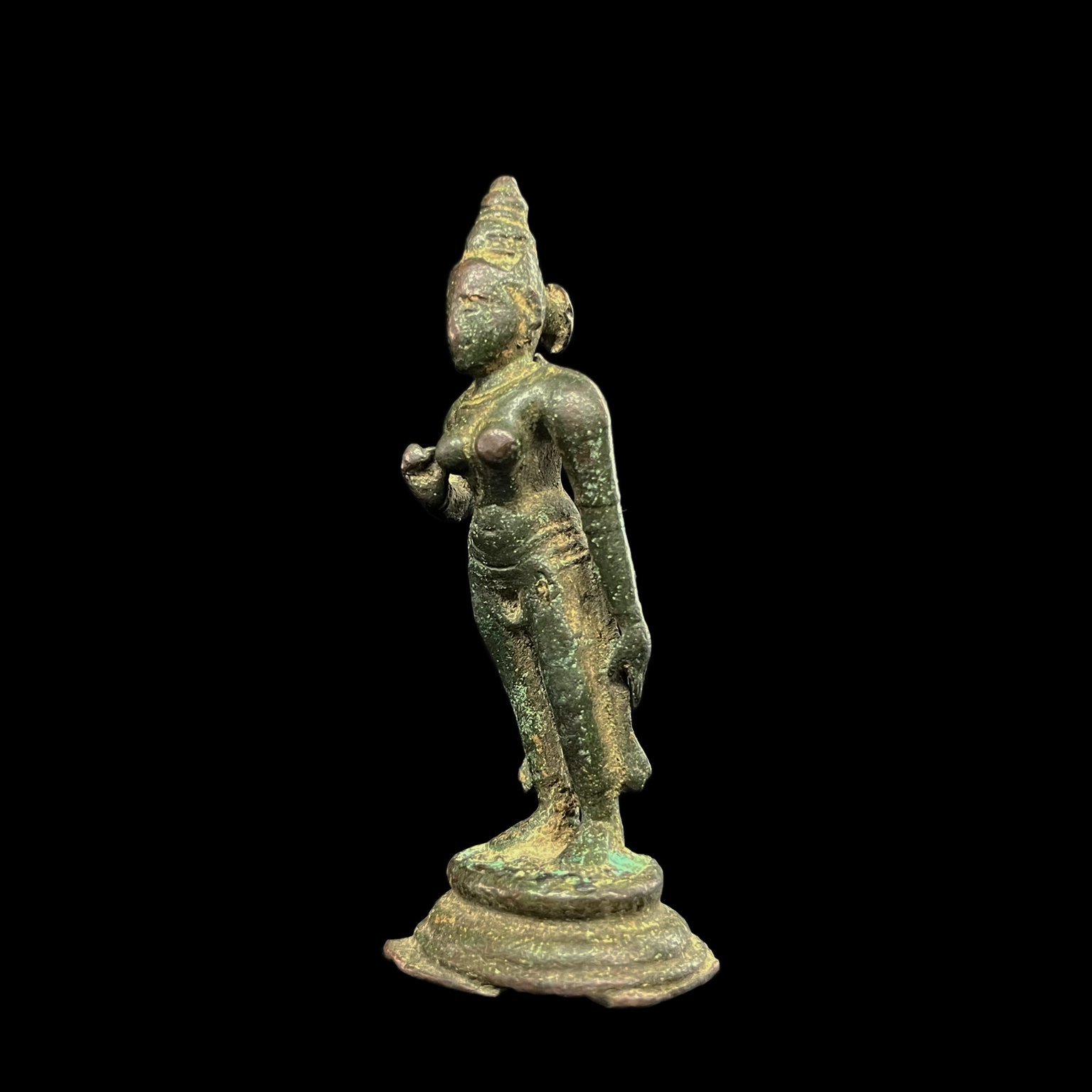
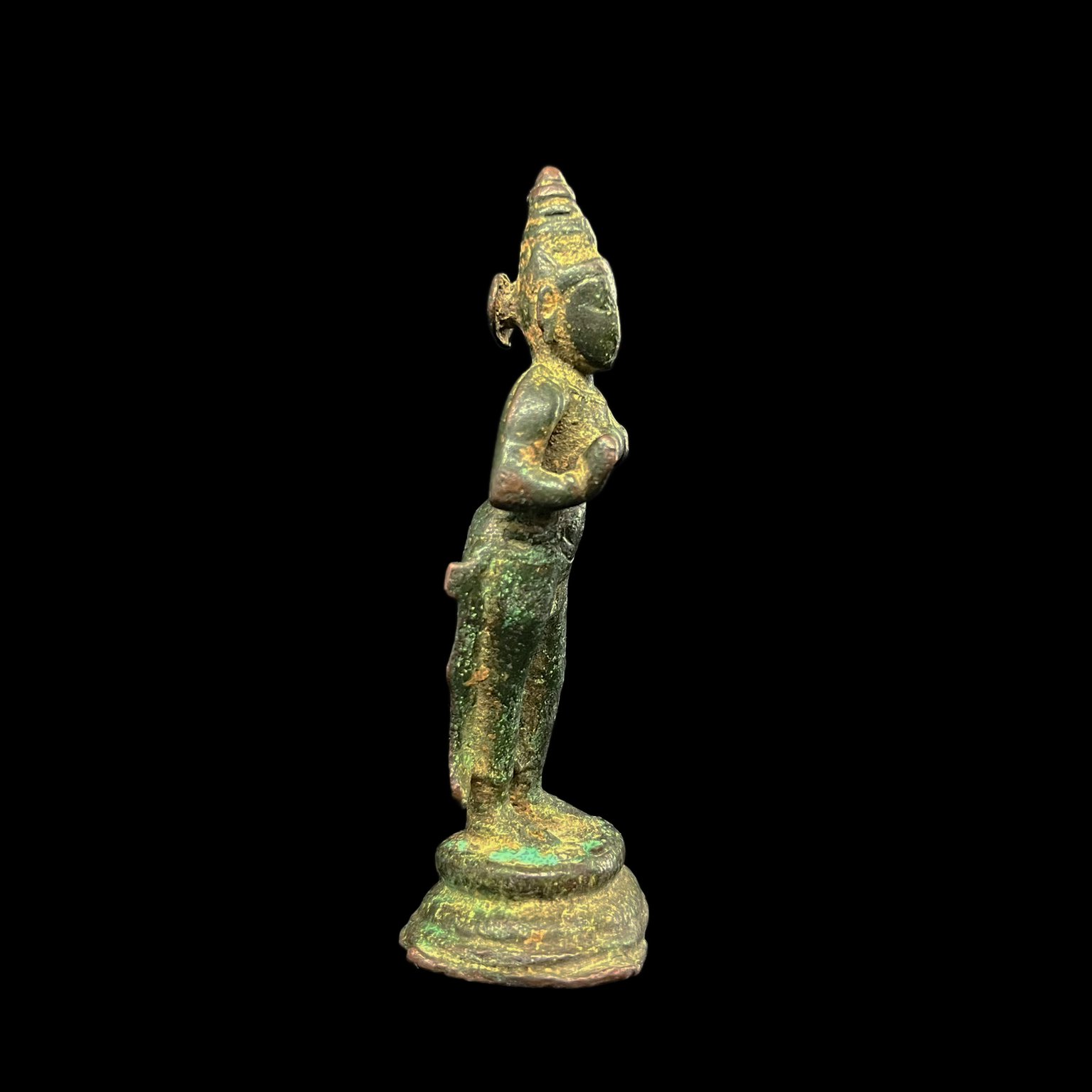
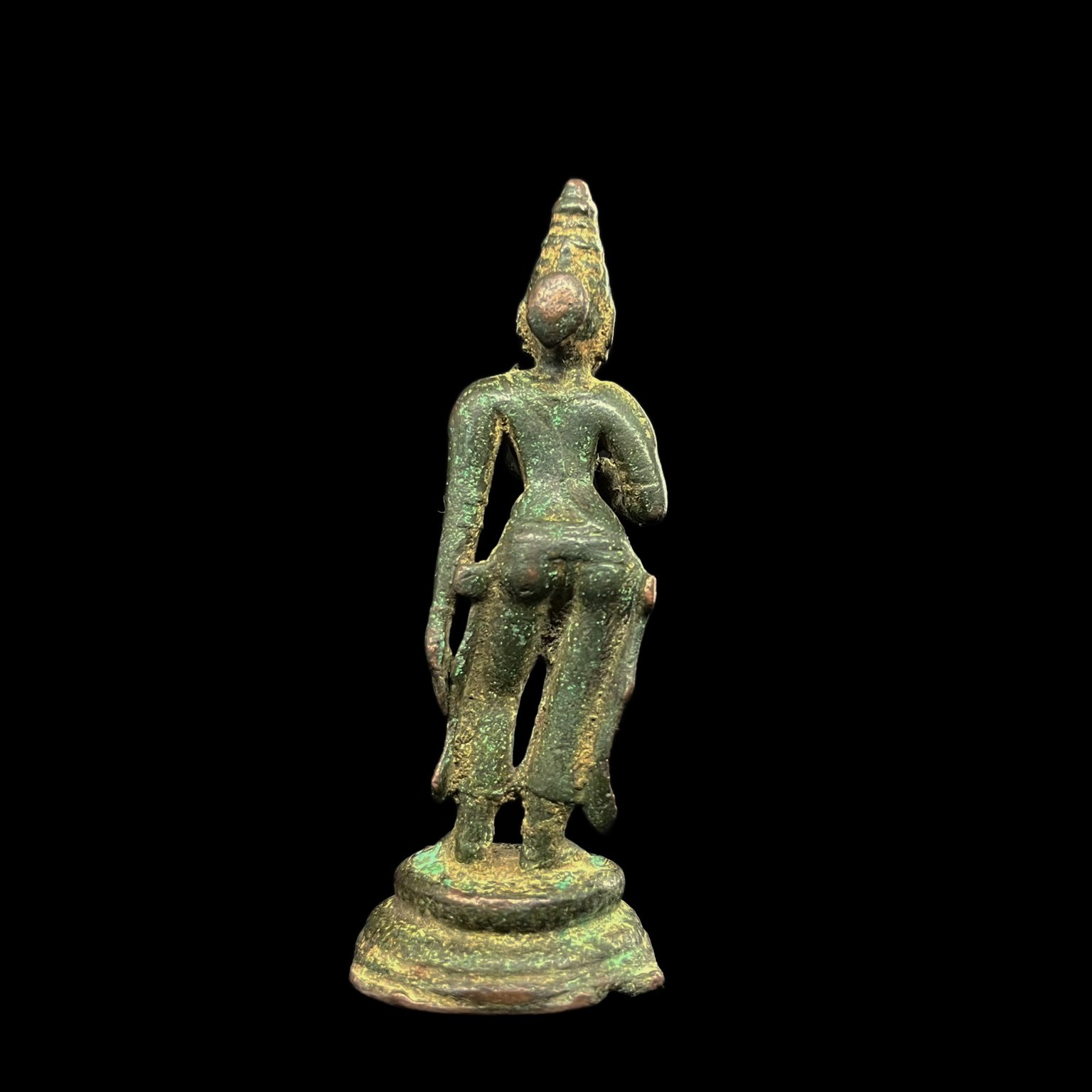
ブー・デーヴィー Bhu Devi is primarily known as the Goddess of the Earth, representing fertility, agriculture and the nurturing side of nature. She is considered a form of Prithvi, the personification of the earth. She is one of the consorts of Vishnu and is often depicted alongside Vishnu’s other consort, Sri Devi, and their husband.
Parvati Parvati is a major goddess in Hinduism, known primarily as the wife of Shiva and the mother of Ganesha and Kartikeya. Parvati is a form of Shakti, the divine feminine power, and is worshipped in many forms, including Durga and Kali. She represents love, fertility and devotion, but in her warrior goddess form she also has a fierce and protective side.
Their relation Bhu Devi and Parvati are not the same goddesses, but in the broader Hindu understanding they are related. They are both forms of Shakti, the feminine divine energy, and manifestations of the same underlying divine principle, often seen as complementary aspects of divine femininity. Bhu Devi represents the nurturing and sustaining aspect of the Earth, while Parvati embodies the dynamic and active energy of creation, destruction and renewal.
In summary, Bhu Devi and Parvati are separate deities with different roles and attributes, but in Hindu mythology they are linked as manifestations of divine femininity.